Home-Cooked France: Flavor Beyond the Neon Table
In the electric glow of Paris, French cuisine is often framed as a luxury experience: polished restaurants, silverware aligned like circuitry, and dishes engineered for prestige. But authentic flavor does not always live behind exclusive doors.
According to Defis, founder of the World Culinary Association and a former chef for the French president, the true code of French cooking is found at home.
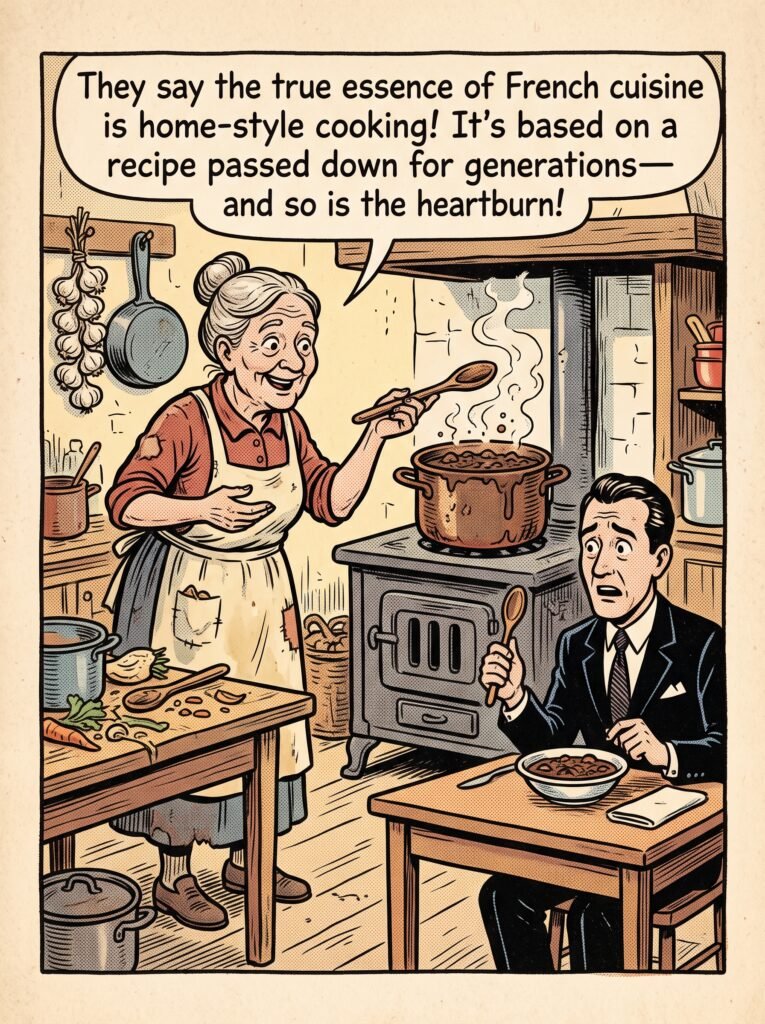
Behind apartment windows and quiet village kitchens, recipes move from one generation to the next. Butter melts into warm pans. Herbs release their signals. Bread, vegetables, sauces, and slow-cooked meats become more than food, they become memory encoded in taste.
Restaurants may offer a spectacular interface for discovering French culture, but home-style cooking reveals its hidden operating system. It is generous, practical, and deeply personal.
To understand France, follow the aroma beyond the neon streets. The country’s most authentic flavor may be waiting in an ordinary kitchen, where tradition still runs without a filter.